See the best of Bhutan from East to West and a traditional buddhist festival
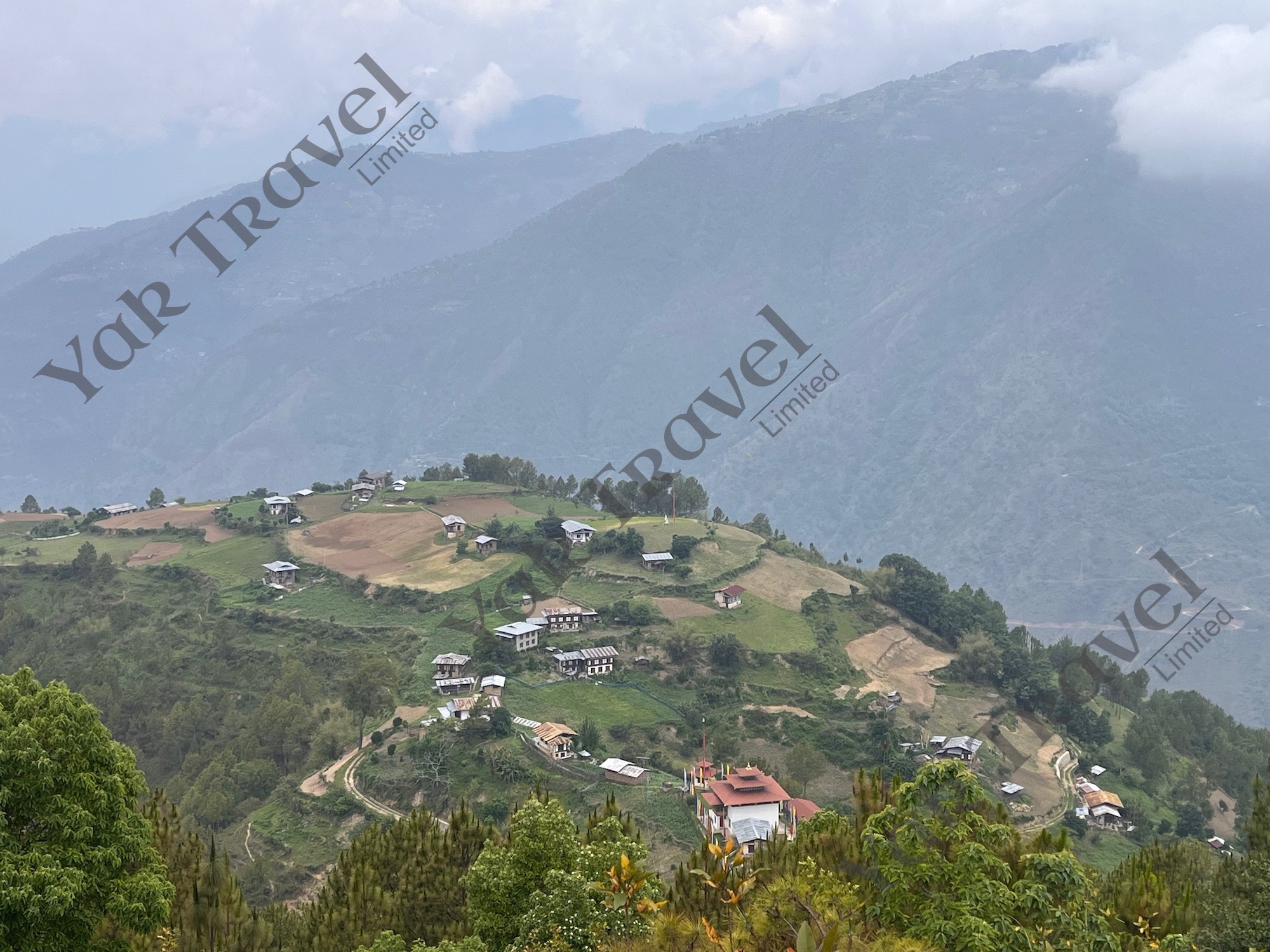
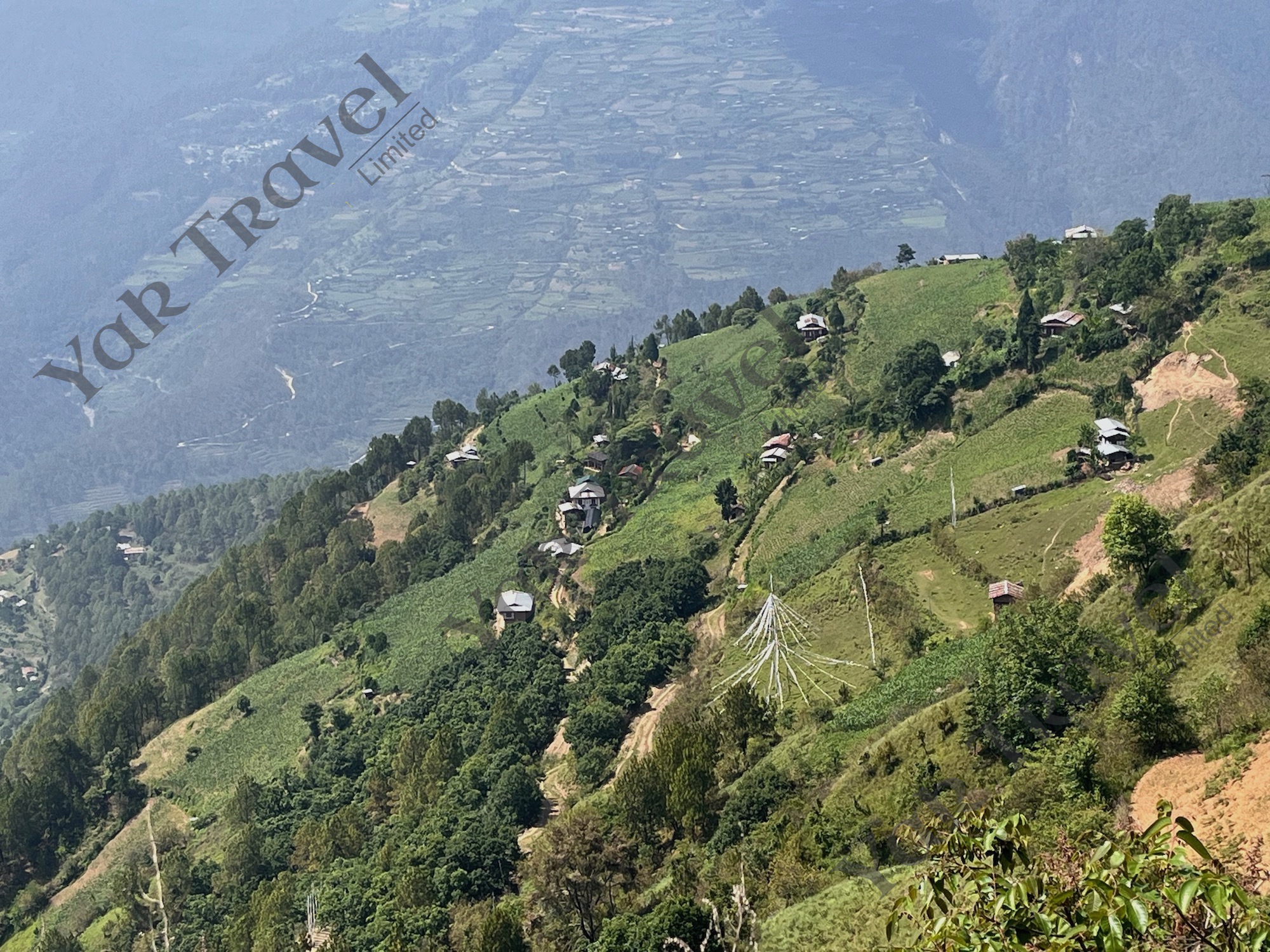
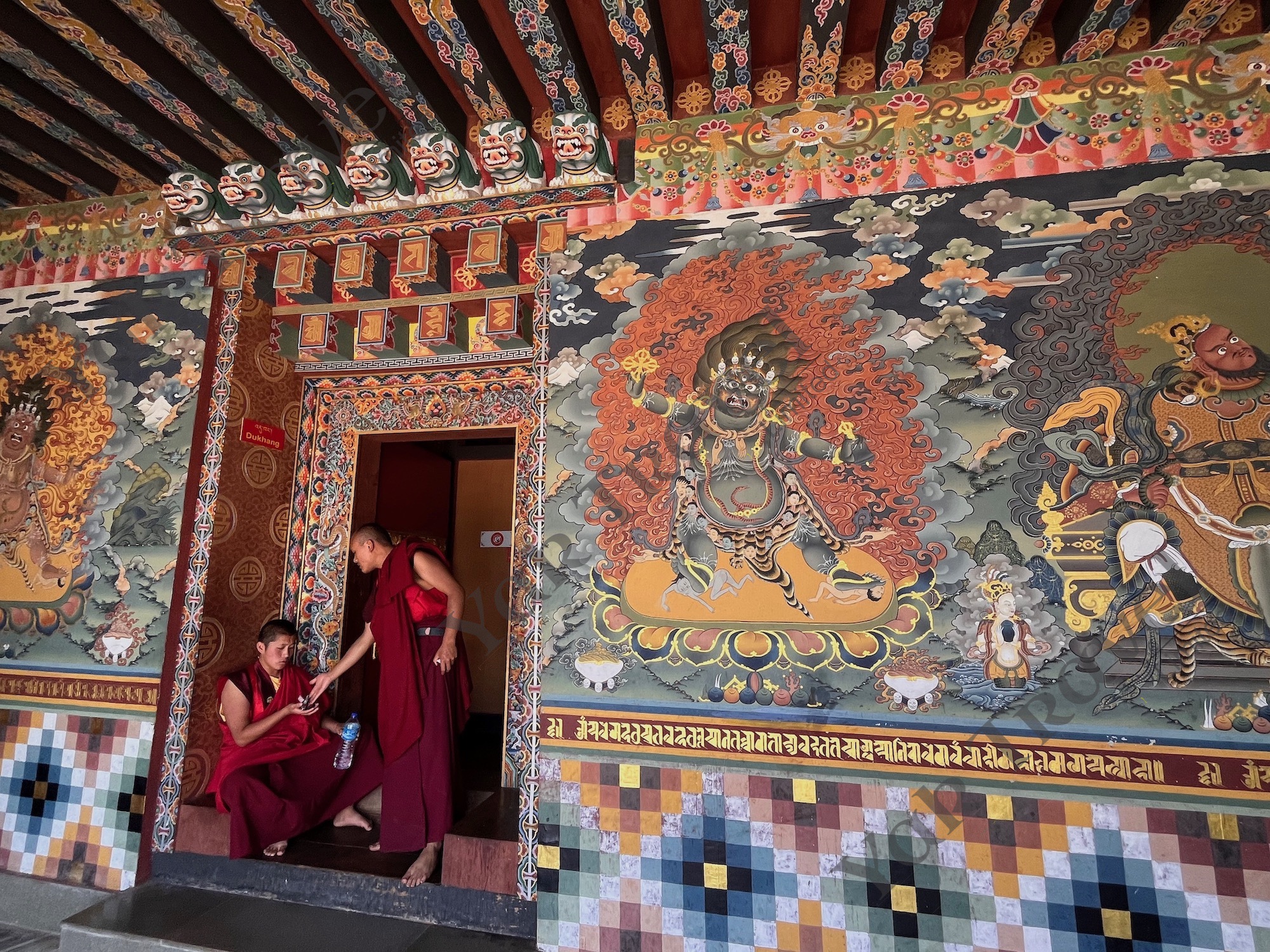
Your two-week adventure begins and ends at Paro International Airport. It offers an unforgettable journey across the breadth of Bhutan, taking in both the unfrequented east of the country along with the highlights of the classical west. We have created this tour for travellers who have a strong passion for scenic journeys, landscapes, mountains, local communities, villages, and farmhouses, with an internal flight included both to minimise road travel and to maximise our time in Bhutan. Opportunities to interact with friendly locals and delve into Bhutan’s rich culture and tradition abound. Moreover, this tour includes a day at the Thimphu (or Dromchoe) Drubchen, a sacred, traditional Bhutanese festival staged against the magnificent backdrop of Tashichho Dzong in the capital city.
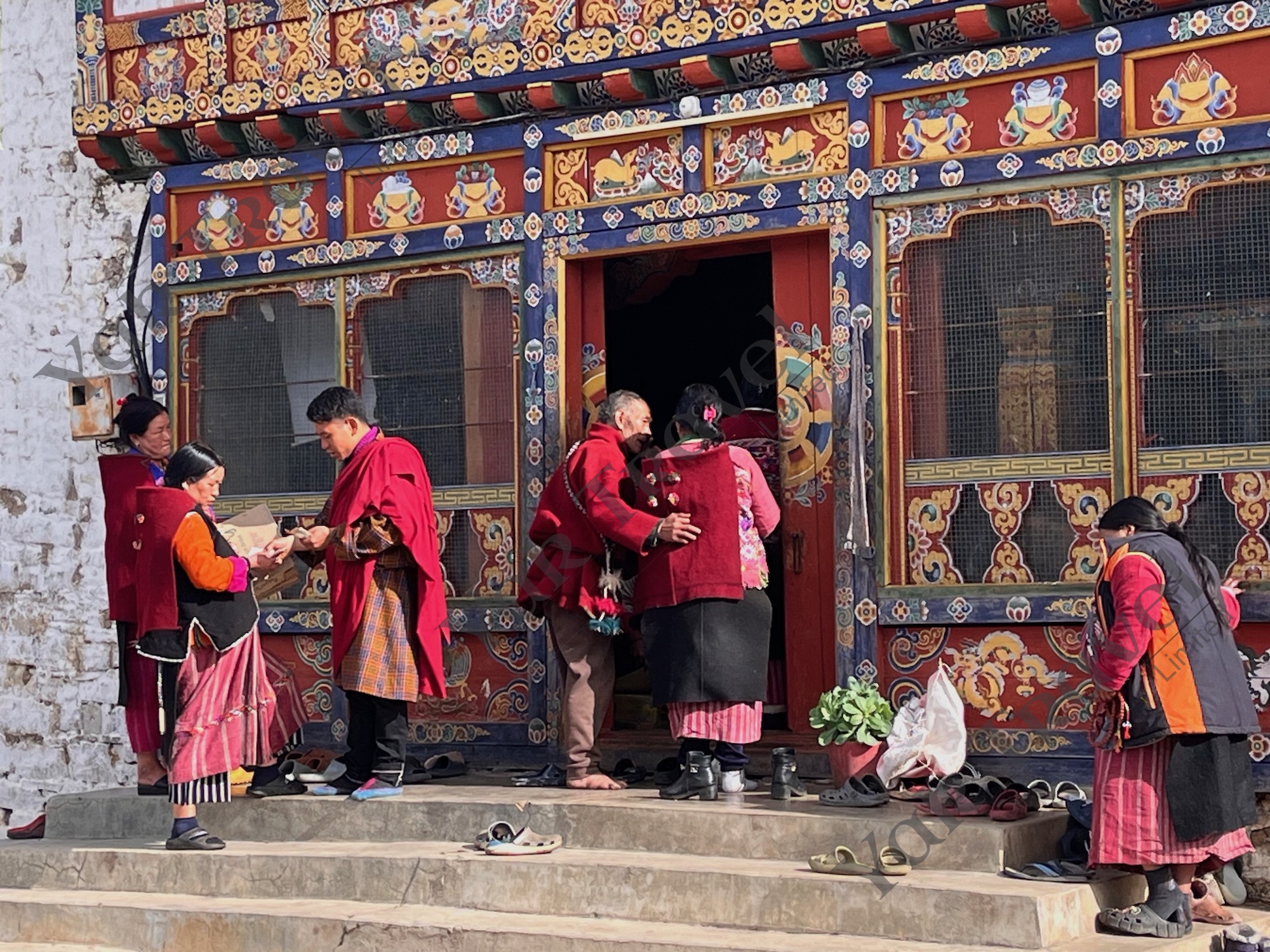
The festival carries profound cultural and spiritual significance for the Bhutanese, providing an opportunity for purifying negative karma and seeking blessings. Thousands assemble within Tashichho Dzong to partake in the celebration, adorned in their most splendid attire, enjoying food and drink, and relishing the festivities following a season of toil in the fields.
Bhutan
East Bhutan & West Bhutan
Duration
14 days
Culture Tour, Buddhist Pilgrimage
& Mountain Tour

Leisurely
Intro to Best of Bhutan with Thimpu Festival
Your two-week adventure begins and ends at Paro International Airport. It offers an unforgettable journey across the breadth of Bhutan, taking in both the unfrequented east of the country along with the highlights of the classical west. We have created this tour for travellers who have a strong passion for scenic journeys, landscapes, mountains, local communities, villages, and farmhouses, with an internal flight included both to minimise road travel and to maximise our time in Bhutan. Opportunities to interact with friendly locals and delve into Bhutan’s rich culture and tradition abound. Moreover, this tour includes a day at the Thimphu (or Dromchoe) Drubchen, a sacred, traditional Bhutanese festival staged against the magnificent backdrop of Tashichho Dzong in the capital city.
The festival carries profound cultural and spiritual significance for the Bhutanese, providing an opportunity for purifying negative karma and seeking blessings. Thousands assemble within Tashichho Dzong to partake in the celebration, adorned in their most splendid attire, enjoying food and drink, and relishing the festivities following a season of toil in the fields.
HIGHLIGHTS
- Your international flight into Bhutan offering unparalleled views of the majestic Himalayan ranges, including Mount Everest (8,848m) and Kanchenjunga (8,586m)
- the domestic flight to the east of the country across remote and inaccessible regions
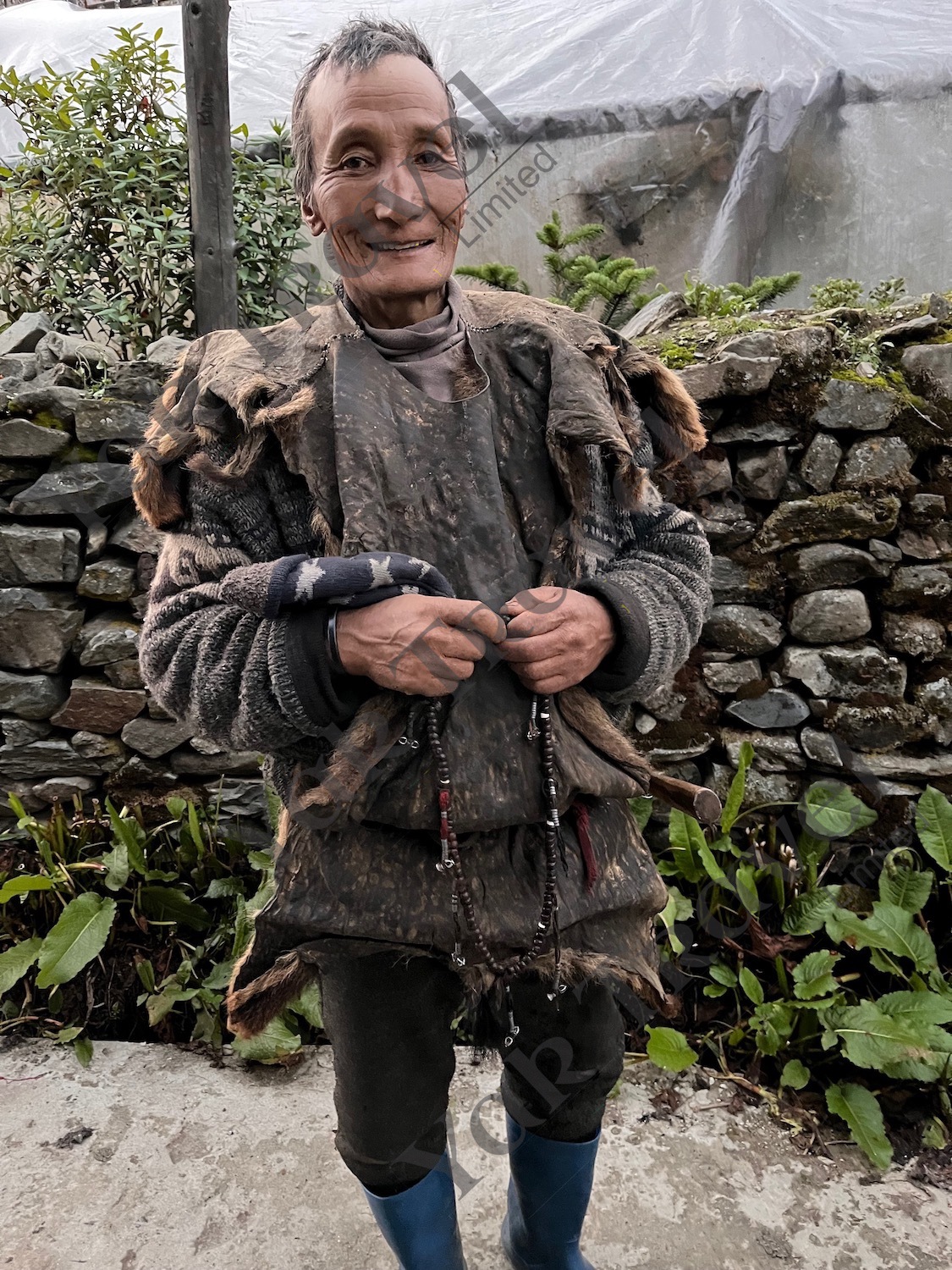
- encountering the semi-nomadic peoples of Merak and Sakteng
- exploring the historic Trashigang Dzong, built in 1659
- discovering Chador Lhakhang Monastery, dating back to the twelfth century
- visiting Gomkora Lhakhang, the sacred temple where Guru Rinpoche once meditated
- entering Drametse Lhakhang, the sacred site renowned as the birthplace of the famous Drametse Nga Chham (the Mask Dance of the Drums), included on UNESCO’s Representative List of the Intangible Cultural Heritage of Humanity in 2005
- arriving at Lhuentse, the ancestral home of the kings of Bhutan
- traverse the East–West highway, a route adorned with rushing rivers, cascading waterfalls, towering cliffs, and snow-capped peaks
- gently walking through the pristine Bumthang Valley (also known as Jakar), the religious heartland of Bhutan and home to some of the oldest temples and monasteries in the country
- abundant opportunities for rare bird sightings including the Rufous-necked Hornbill and the Black-Necked Crane
- exploring the former winter capital of Punakha
- crossing Dochula Pass (at an elevation of 3,050m), renowned for the 108 picturesque Druk Wangyal Chortens
- taking stunning festival photos at Thimphu Drubchen (Dromchoe) set against the backdrop of Thimpu Dzong
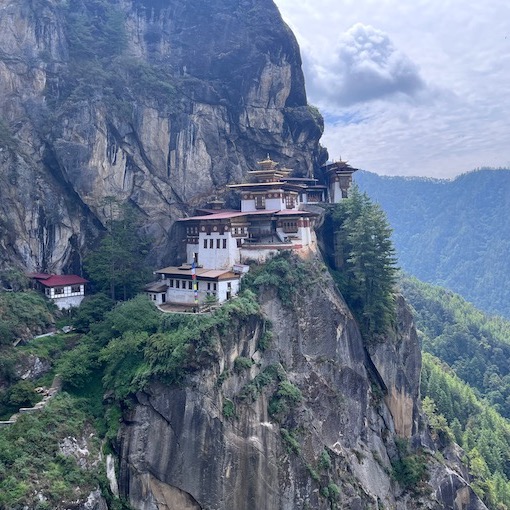
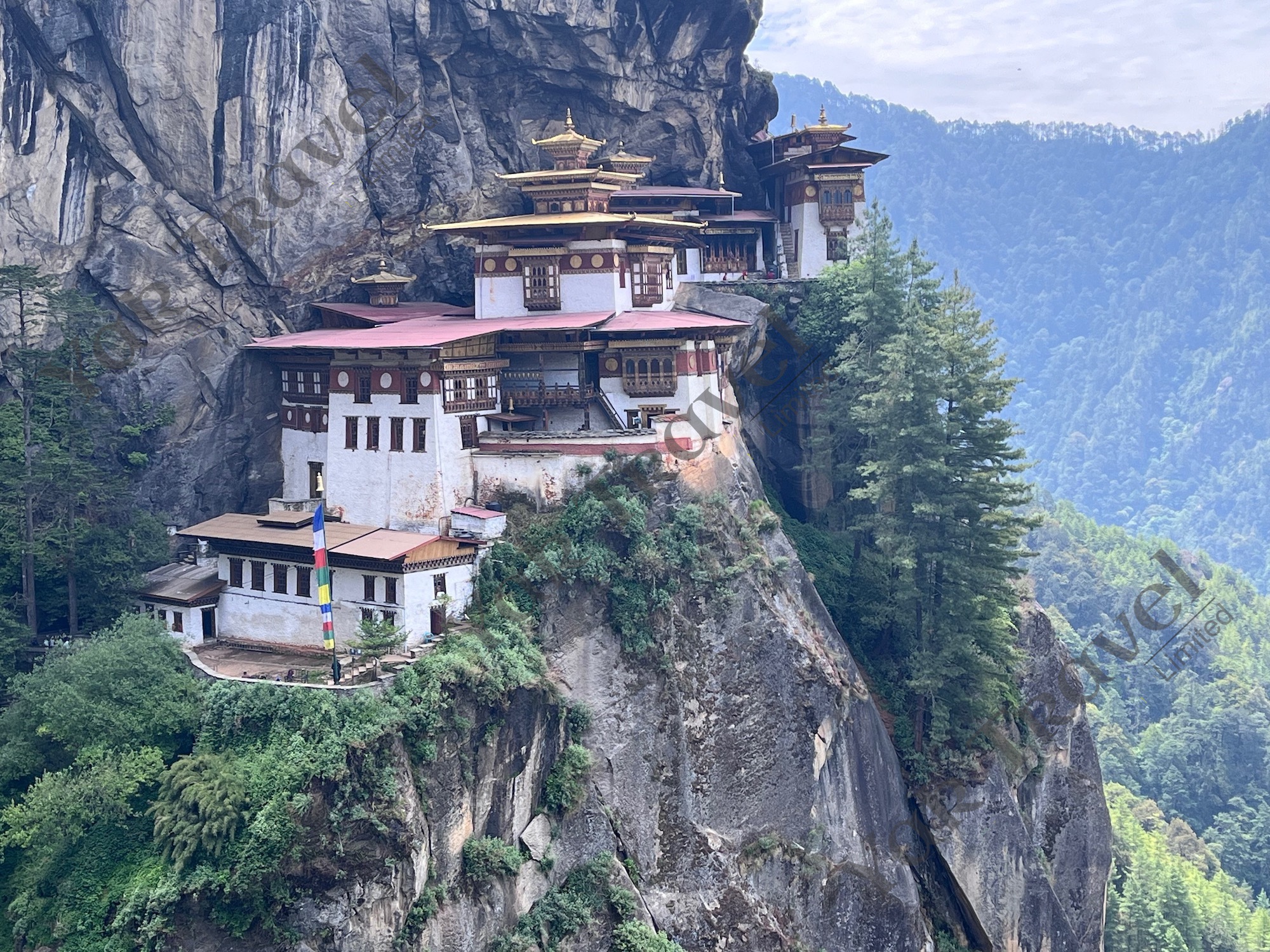
- hiking to Tiger’s Nest Monastery
PLACES TO BE VISITED
Paro – Yonphula – Trashigang – Bartsham – Bidung – Radhi – Trashiyangtse – Mongar – Lhuentse – Bumthang – Jakar Valley – Phobjikha – Thimpu – Drubchen (Dromchoe) Festival – Tiger’s Nest Monastery
KEY INFORMATION
- We have set departure dates for this tour. Please see ‘Dates’ section for more information
- Much of this tour can be organised as a bespoke tour at other times of the year
- Similarly, if this itinerary is not exactly what you have in mind, please do contact us for a discussion as all itineraries can be adapted according to your wishes
- In exceptional circumstances, local conditions may require the route to be altered in your interests at short notice
WHAT’S INCLUDED
- Reception: airport or station reception and transfer upon your arrival in Bhutan & final drop-off at the end of your tour
- Full escort: our tours are fully escorted by an official, licensed, local, English-speaking guide
- Accommodation: all accommodation (13 nights), in 3-star hotels with private bathrooms (with options for comfortable farmhouse, homestay, or heritage house accommodations upgrades upon request)
- Meals: all meals (breakfast, lunch and dinner, 14 days) and bottled water
- Transport: all transport throughout your tour in a private, comfortable, modern Toyota vehicle equipped with air-conditioning and seat belts, with a professional, licensed driver
- Domestic flight: Paro–Yonphula one-way domestic flight
- Entrance fees: all sightseeing & hiking fees (including museums entrances and other attractions)
- Baggage handling: all baggage handling charges at hotels and camps
- Taxes and fees: applicable internal taxes and service fees; sustainable development fee (SDF) or government tourism levy $100 per person per night
- Visa: one-time visa fees of $40
WHAT’S NOT INCLUDED
- International flights
- Travel insurance
- Personal expenses such as alcoholic drinks, beverages, laundry, and phone calls
- Discretionary tips for guides and drivers
- Upgrades to luxury properties (4-star and 5-star hotels)
- Any additional optional activities & additional services
DATES
Forthcoming set group tour dates (maximum 8 pax):
– Sat 12th September to Fri 25th September 2026
Bespoke, private tours:
Please talk with us if you would prefer a private, bespoke, tailor made tour for dates of your own choosing.
PRICES
PRICE
SINGLE SUPPLEMENT*
£4230
from £650
*The single supplement charge is only required for solo travellers who choose not to share a room with another suitable traveller. If willing to share, the supplement will not be charged.
If this itinerary is not exactly what you have in mind, please do contact us for a discussion as all itineraries can be adapted according to your wishes
DAY 1
Arrive Paro for a day of sightseeing
Flying into Bhutan offers unparalleled views of the majestic Himalayan ranges, featuring iconic peaks such as Mt. Everest (8,848m/29,028ft), Mt. Kanchenjunga (8,586m/28,169ft), and Mt. Gangkar Puensum (7,564m/24,836ft). On arrival we meet you at Paro International Airport after clearing your immigration and customs formalities. We’ll then transfer you to your hotel in Paro for check-in.
Paro is renowned for its iconic landmarks, including the famous Taktshang Monastery, also referred to as Tiger’s Nest, and serves as a hub for Drukair and Bhutan Airlines.
Our day commences with a captivating tour of Ta Dzong, an ancient watchtower situated around 6-km from Paro town, now repurposed as the National Museum of Bhutan. We’ll then cross to Paro Dzong, also known as Rinpung Dzong, positioned across the Pachhu River, approximately 2-km from Paro International Airport. Tonight, enjoy a welcome drink and dinner in our company.
Overnight in Paro
Hotel Standard: 3 Star Olathang Cottages or similar
Meals: Full board
DAY 2
Fly from Paro to Yonphula, Trashigang
Today, embark on a short-haul flight from Paro to Yonphula Domestic Airport via Drukair’s ATR 42-600. The ATR aircraft is equipped with the ClearVision system, tailored for efficient service to smaller airports across Bhutan. This domestic flight promises an unparalleled experience, offering captivating views as you glide over the Himalayan Kingdom of Bhutan. Upon arrival at Yonphula, our representative will warmly welcome you and assist with your transfer to Trashigang, the largest and most populous district in Bhutan. Located at an altitude of 1,500m, Trashigang boasts a historical legacy as the former centre of bustling trade with Tibet. En route to Trashigang, a scenic 28-kilometer drive allows us to pass by Kanglung, home to Bhutan’s first university, Sherubtse College, established in 1978, underscoring the nation’s commitment to education. Arriving in Trashigang town, you may encounter the semi-nomadic people from Merak and Sakteng who occasionally visit for their shopping needs, adding a cultural dimension to your experience. Afternoon commences with the historic Trashigang Dzong, built in 1659 by Trongsa Penlop Chhogyal Minjur Tempa. The fortress is located on a steep hill overlooking the Dangmechhu (Gamri) River and has been the political stronghold of eastern Bhutan for over 300 years.
Overnight in Trashigang
Hotel Standard: 3 Star Druk Deothjung Resort or similar
Meals: Full board
Bartsham–Bidung–Radhi Countryside Excursion
This morning, departing from Trashigang, you will embark on a journey to the pristine Bartsham village, covering 24-km, which will take approximately 1.5 hours. Geographically, Bartsham shares its borders with Ramjar, Jamkhar, Yalang, and Bidung villages. Today, you’ll have the opportunity to explore the picturesque countryside by taking a leisurely stroll through charming villages surrounded by forested hills. Your first stop will be the Chador Lhakhang Monastery, also known as Gonpa Ringbu, dating back to the 12th century.
Perched atop a ridge, the monastery offers breathtaking views of the nearby villages and mountains to the north of Trashigang. The main relic housed here is the statue of Chana Dorji, affectionately known as Memmay Chador, serving as the guardian deity of the area. The monastery holds significant reverence among the Bartsham community and devotees from across Bhutan.
Continuing your journey, you’ll drive 10-km via Bidung villages towards the east of Bartsham. The scenic drive of 13-km further leads you to Rangjung, a quaint commercial centre. Here, you’ll visit the Rangjung Woesel Choeling Monastery, situated on a small hillock overlooking Rangjung town and its surroundings. Keep an eye out for nomadic people from Merak and Sakteng who frequent the lower valleys for shopping. Later, enjoy a leisurely walk amidst the enchanting countryside of Radhi villages, renowned as the “Rice Bowl of the East” and celebrated for their expertise in weaving raw silk textiles and dyeing. Take a break for an authentic traditional Bhutanese lunch at a local farmhouse. In the evening, you’ll return to Trashigang for an overnight stay.
Overnight in Trashigang
Hotel Standard: 3 Star Druk Deothjung Resort or similar
Meals: Full board
Trashigang – Trashiyangtse
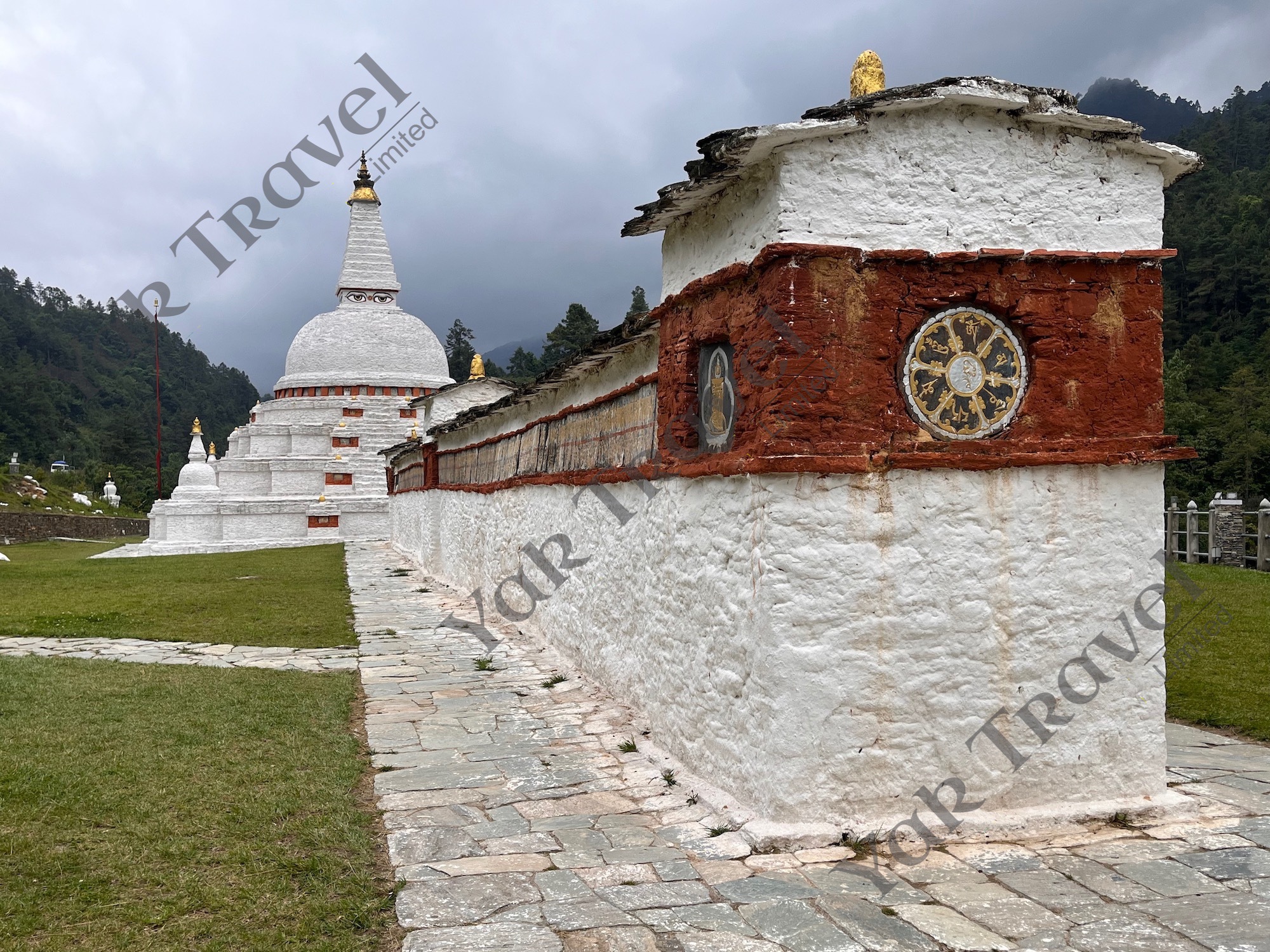
This morning, we’ll depart from Trashigang heading towards Trashiyangtse (1,750m), covering approximately 54 km which should take about 2.5 hours. As we progress, upon reaching Chazam, about 10-km downhill, two roads diverge. We’ll take the right turn leading to Trashiyangtse. Along the journey, we’ll have the opportunity to visit Gomkora Lhakhang, a sacred temple located 22-km from Trashigang town. This site holds significant spiritual importance in eastern Bhutan as it is where Guru Rinpoche, the revered saint, meditated in a rock adjacent to the temple to subdue a demon. Continuing our journey, the next leg of the trip spans approximately 30-km over the next 2 hours, passing through Duksum en route to Trashiyangtse. We’ll explore Trashiyangtse Dzong, originally built in the 15th century and now home to the monastic community. Next, we’ll visit the College of Zorig Chusum, founded in 1997, where students learn Bhutan’s 13 traditional arts and crafts. Our final stop is the stunning Chorten Kora, a white stupa resembling Nepal’s Boudhanath Stupa. Built over 12 years around 1740 on the banks of the Kholongchhu river, Local folklore suggests that it was built as an offering by the Dakpa tribe from Tawang, Arunachal Pradesh in India, with the belief that an 8-year-old dakini girl willingly sacrificed herself and was buried alive within the stupa. In the evening, take some leisure time to explore the quaint town of Trashiyangtse before settling in for the night.
Overnight in Trashiyangtse
Hotel Standard: 3 Star Hotel Karmaling or similar
Meals: Full board
Trashiyangtse – Mongar
We rise early this morning and make our way to Mongar (124 km) about 6 hours via Duksum (30 km). Upon reaching Chazam (10-km), we encounter a fork in the road; we take the right turn leading straight to Mongar. Stop in places to view scenery, meet local people, villages, and capture memorable photographs. Before reaching Mongar, we take a detour of 18 km to visit the 16th century Drametse Lhakhang, situated atop a steep ridge. This sacred site is renowned as the birthplace of the famous Drametse Nga Chham (the Mask Dance of the Drums), a revered cultural tradition inscribed on UNESCO’s Representative List of the Intangible Cultural Heritage of Humanity in 2005.
Continuing our journey, we arrive at Sherichhu, 35 km away. Here, we encounter the Yadi bends, a challenging stretch of the East-West highway characterized by 17 km of zigzag uphill roads with numerous hairpins turns. Eventually, we reach the Korila Pass (2,289m), which lies 22 km from Yadi and 17 km from Mongar town. Arrive in Mongar, we explore the Mongar Dzong, constructed in 1930. Unlike other dzongs in Bhutan, Mongar Dzong lacks a strategic location but nonetheless offers insight into the region’s history and architectural heritage. Eucalyptus trees enhance the picturesque setting of the town.
Overnight in Mongar
Hotel Standard: 3 Star Druk Zhongar Hotel or similar
Meals: Full board
Mongar – Lhuentse
We set out for a scenic drive (75 km) about 3 hours to Lhuentse (1,400m), the ancestral home of our kings. Stop off at the Gangola junction (12 km) where local farmers sell an array of goods like cornflakes, fruits, peanuts, and vegetables. Enjoy a scenic journey via Autsho (920m), a small town located by the Kurichhu River and then navigate through Tangmachhu (63-km) paddy fields and traditional houses. Sightseeing includes the 154ft tall Guru Padma Sambhava statue (Guru Nangsa Zelnen), built in 2008-2015, sits atop a hill in Takila. We proceed to Khoma village (about 11 km), famed for its intricate Kishuthara fabrics, highly revered and even ordered by the Royal Family for special occasions. Returning to Lhuentse town, we explore the historic Lhuentse Dzong, perched atop a hill overlooking the Kurichhu River. It was built in 1654 by Chogyal Minjur Tempa and houses many sacred artefacts installed by the 4th Desi Tenzin Rabgay. In the evening, we return to Autsho (40 km), offering a serene riverside and fine rural atmosphere for an overnight stay.
Overnight in Autsho
Hotel Standard: 3 Star Phayul Resort or similar
Meals: Full board
Autsho (Lhuentse) – Bumthang
Today is a long but rewarding journey (206 km) about 7 hours to Bumthang (2,650m). Traverse the East–West highway, a route adorned with rushing rivers, cascading waterfalls, towering cliffs, and snow-capped peaks, offering breathtaking scenic vistas. We cross the Kurichhu River, where the hydro power plant (60 MW) generates sufficient power for the eight eastern districts. Yonkola area is the hotspot for birding after passing Lingmithang (17-km) with rich sub-tropical rainforest. Keep an eye out for rare avian treasures like the Satyr Tragopan, Ward’s Trogon, and Rufous-necked Hornbill. Witness the striking transition in scenery from Yonkola to Bumthang—a sanctuary for nature enthusiasts and wildlife observers. Pause at Namling, Bhutan’s coveted birding locale, where avid bird watchers often spend days. Lunch in a local restaurant at Sengor (3,500m), situated approximately 102 km from Autsho and renowned for the Himalayan Monal, a special mountain bird. Journey onwards to Bumthang via the Thumshingla Pass (3,880m), the pinnacle of our expedition, enveloped in dense hemlock and rhododendron forests, just 20-km from Sengor. Our path leads to Ura (3,100m), a picturesque village nestled about 49 km from Bumthang town. Opting for the new Nangar–Ura bypass (32 km) expedites our arrival in Bumthang, bypassing the traditional route. Ura is a quaint and beautiful village, home to Bhutan’s largest clustered settlement.
Overnight in Bumthang
Hotel Standard: 3 Star Gongkhar Hotel or similar
Meals: Full board
Jakar Valley Gentle Walking
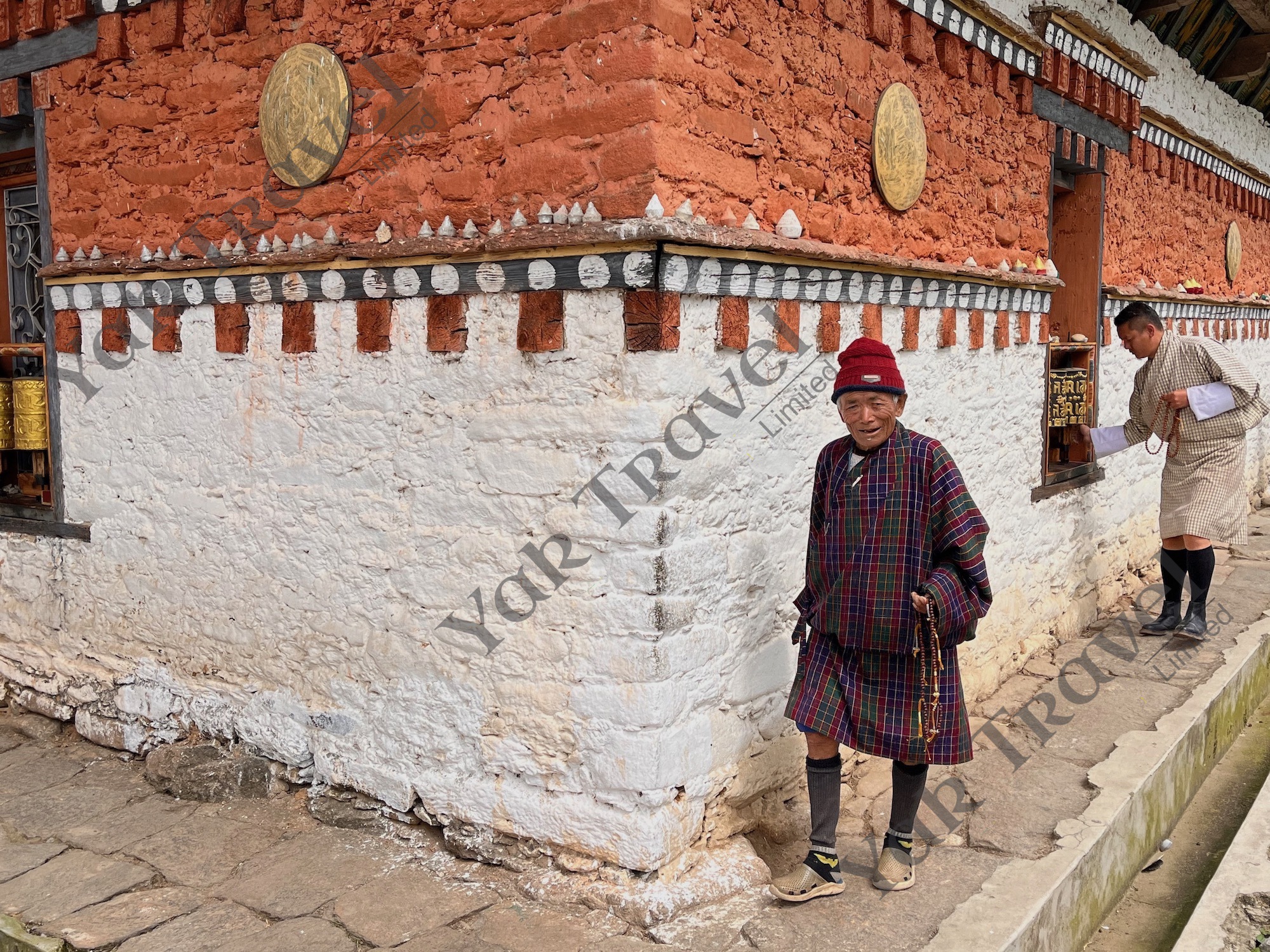
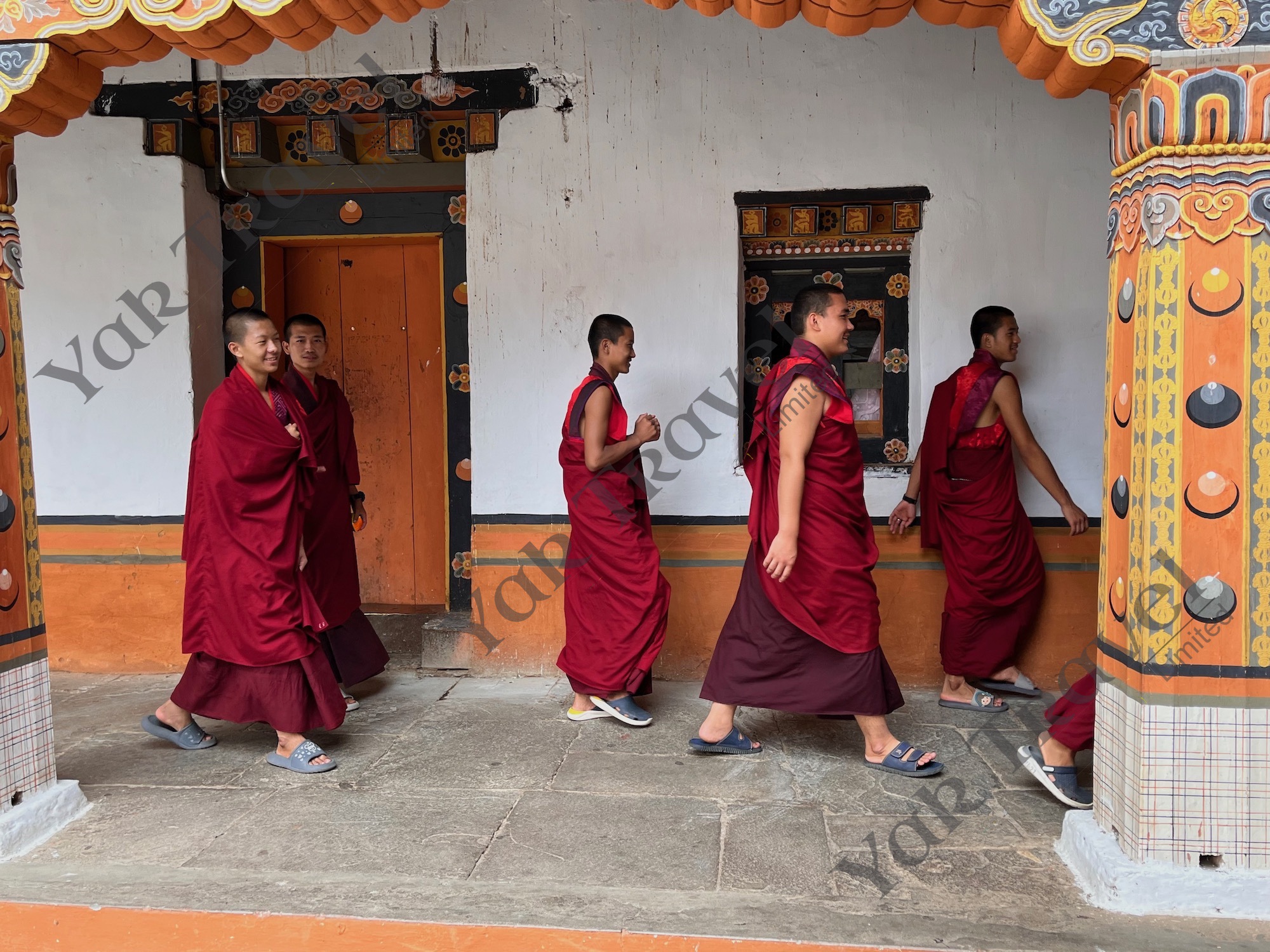
We explore the pristine Bumthang Valley (also known as Jakar), the religious heartland of Bhutan and home to some of the oldest temples and monasteries in the country. From your hotel, we drive to the Jambay Lhakhang (Temple of Maitreya), said to be one of the 108 temples built by Tibetan King Songtsen Gampo on a single day in the 7th century (so full of history and mythology). This temple was built to subdue evil spirits of the demoness causing obstruction to the spread of Buddhism. Traversing a farm trail for 15 to 20 minutes, we reach the Kurjey Lhakhang complex, housing three temples enclosed by walls adorned with 108 chortens. Guru Rinpoche undertook profound meditation in the 8th century, taming the local demon, Phola Shelging Karpo, and aiding the ailing King of Bumthang, Sindhu Raja. We’ll begin by crossing a bridge over the Chamkharchhu River, reaching Tamshing Lhakhang founded in 1501 by Terton Pema Lingpa for Nyingma Buddhism teachings. Afterward, transport will take you to Lhodrak Kharchhu Monastery, established in 1982, offering studies in dharma. With around 400 monks are engaged in re busy reading, recitation of daily prayers, meditation, chantings, dharma dances, beating drums & use of ceremonial, mandala drawings, and more. Evening is at leisure where you’ll have some time to stroll along the streets of a small Jakar (Bumthang) town.
Overnight in Bumthang
Hotel Standard: 3 Star Gongkhar Hotel or similar
Meals: Full board
Bumthang – Phobjikha
After breakfast, our return journey takes us to Phobjikha Valley via Trongsa for a 4-hour drive. This valley is home to the rare, Black-Necked Cranes, which migrate from the Tibetan plateau from late October to mid-March. Take the opportunity to visit the 17th century picturesque Gangtey Gompa (monastery) on the hillock with amazing views of the valley. The monastery is the only Nyingmapa School of Buddhism taught in western Bhutan. The afternoon is set aside for a short and gentle nature hike (4 km) about 2 hours.
The best way to soak up this magnificent valley is to head downhill from the start point (nearby the monastery) to Semchubara village. This trail takes you through beautiful forests, flower meadows and into vast plains of Phobjikha Valley, ideal for spotting some birds, grazing cows, farmhouses, people, and the local life.
After passing a chorten and Khewa Lhakhang through gentle grassy slopes carpeted with purple primluas, your hike ends at the local community school. Overnight in Phobjikha. Opt for a village homestay for a unique experience in a vibrant, traditionally built Bhutanese farmhouse. These 2-storey homes are adorned with colourful decor and equipped with decent amenities such as toilets, showers, and hot stone baths. Service providers are trained in basic housekeeping and hygiene for tourists. Enjoy the immersive experience of living in a village house, where the housemother personally serves food and drinks, creating a familial atmosphere. Interact with locals and engage in daily village activities.
Overnight in Phobjikha
Accommodation: Certified Pem Homestay or similar
Meals: Full board
DAY 10
Punakha
After breakfast, we head to Punakha (78 km) about 2 hours, former winter capital. The region boasts a warm climate and is a hub for tourists, bordered by Gasa to the north, Thimphu to the west and Wangdue Phodrang to the east and south. En route, we’ll pass through Nobding, and the Wangdue Phodrang Dzong. This fortress, resembling a sleeping elephant, was built by Bhutan’s founder in 1638, restored to its former glory in 2022 after a fire in 2012. Upon reaching Punakha (1,350m), stop by the fertility Chimi Lhakhang along the way. Nestled on a round hillock near Sopsokha village, this temple was built in 1499 by Saint Drukpa Kunley, known as the Divine Madman.
Legend has it that childless couples, even from overseas, have been blessed with a child after visiting this mystical temple. Then, it’s onto the Punakha Dzong, strategically placed at the confluence of two rivers Phochhu (male) and Mochhu (female), boasting stunning Jacaranda trees in bloom during spring. If you are feeling energetic, why not take a walk to Bhutan’s longest suspension bridge built over the Phochhu River?
Overnight in Punakha.
Hotel Standard: 3 Star Meri Puensum Resort or similar
Meals: Full board
DAY 11
Punakha – Thimphu
Today, we embark on a 71 km journey to Thimphu, Bhutan’s capital, which takes approximately 3 hours. Along the way, we’ll make a stop at Dochula Pass (at an elevation of 3,050m), renowned for its picturesque Druk Wangyal Chortens – 108 stupas. Soak up the panoramic views of the snow-capped Himalayan peaks, including Bhutan’s highest mountain (Mt. Gangkar Puensum at 7,564m Dochula Pass houses 11 man-made hidden ‘Igloos-Caves,’ each adorned with distinct paintings depicting various gods and goddesses. Many people seeking inner peace amid modern-day stresses come here for meditation. Buddhists often pursue meditation as a path to enlightenment and nirvana. Upon arrival in Thimphu, a city boasting approximately 138,736 inhabitants, you’ll be captivated by its rural valley setting adorned with traditional Bhutanese-style buildings and breathtaking natural scenery. Experience the unique traffic management system where police direct traffic with hand signals instead of traffic lights. Explore Kuenselphodrang, home to the world’s largest 169ft Buddha Dordenma statue, erected in 2006 overlooking the Southern entrance to Thimphu. If time allows, visit the Motithang Takin Reserve, housing Bhutan’s national animal.
Overnight in Thimphu
Hotel Standard: 3 Star Hotel Phuntsho Pelri or similar
Meals: Full board
Thimphu Drubchen (Dromchoe) Festival
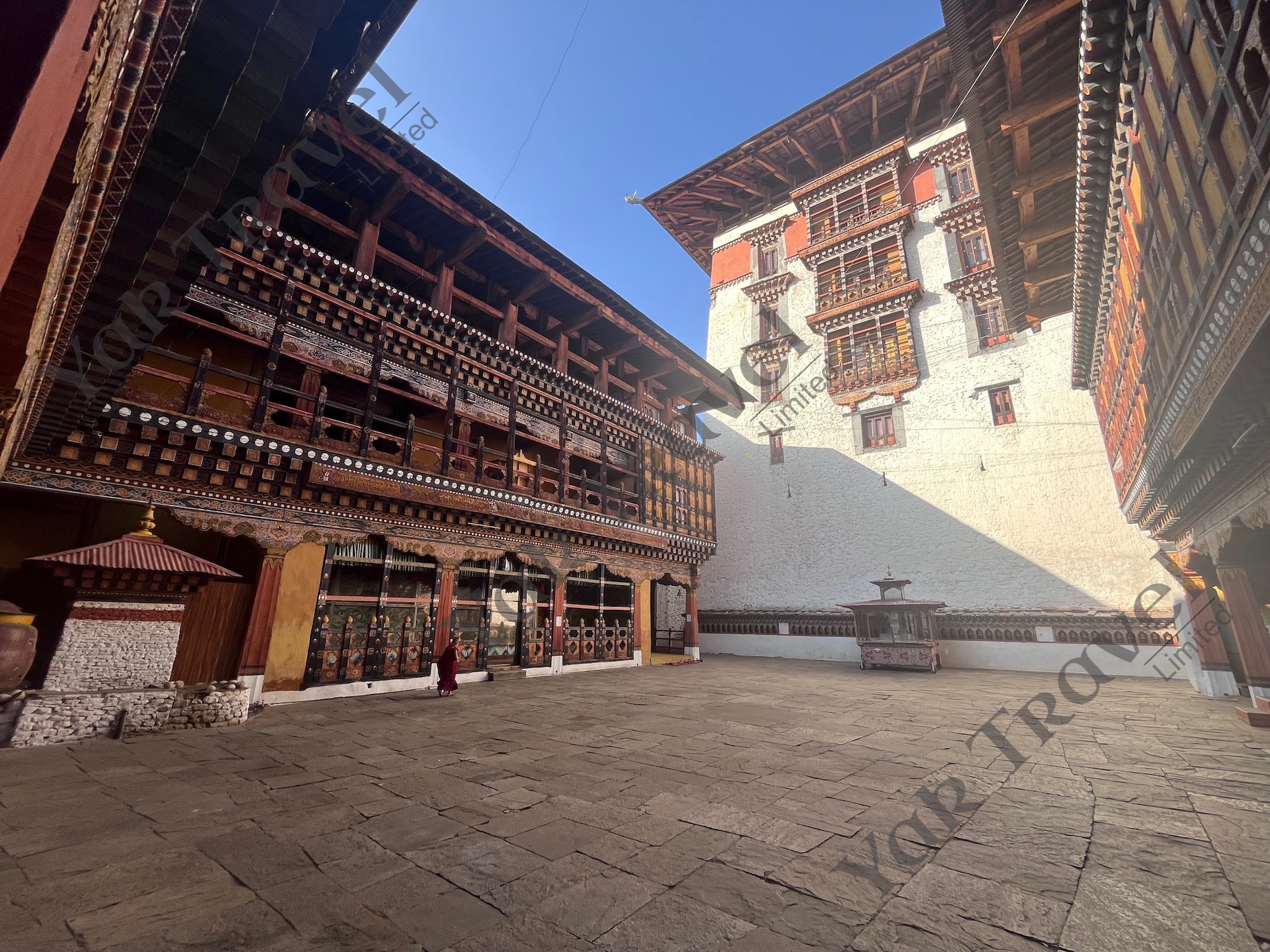
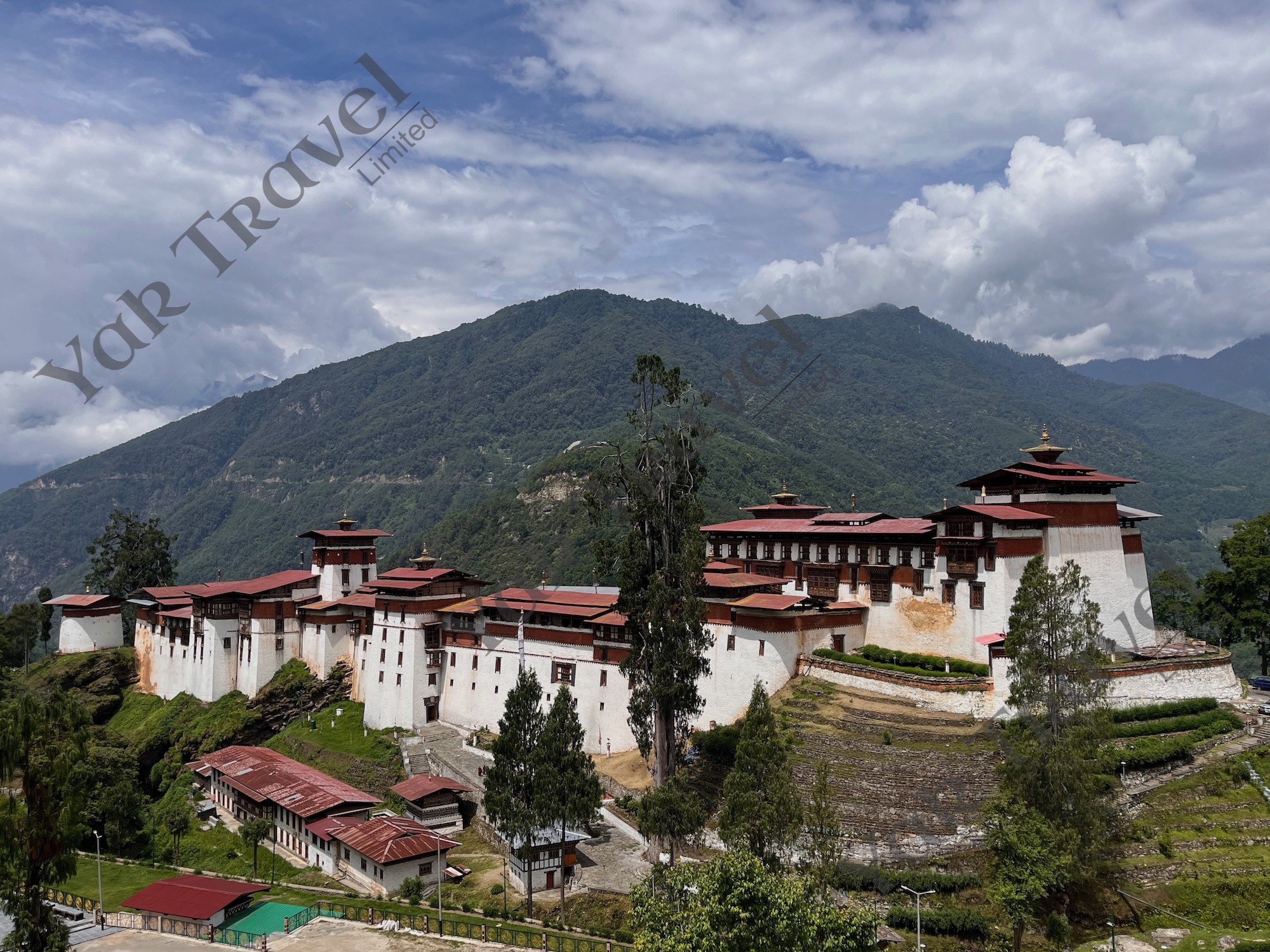
Bring your camera for stunning photo opps today! Thimphu Dromchoe occurs three days before the Thimphu Tshechu. This day-long celebration, also known as Thimphu Drubchen, was initiated by Kuenga Gyeltshen in 1710. Kuenga Gyeltshen, the first reincarnation of Jampel Dorji and the son of Bhutan’s revered founder, Zhabdrung Nawang Namgyel, introduced this significant event. Set within the Tashichho Dzong courtyard, which houses some ministries, the office and throne room of His Majesty the King, and the Central Monk Body, this day-long festival, known as Thimphu Drubchen or Thimphu Dromchoe, unfolds with grandeur. Here, devotees are treated to a mesmerizing array of sacred dances paying homage to Palden Lhamo, the chief protective deity of Bhutan, believed to have manifested before Kuenga Gyeltshen during his meditative trance, imparting divine wisdom through celestial movements. This captivating auspicious event draws Bhutanese locals and tourists, offering a rich cultural immersion. The Bhutanese tshechus serve not only as religiously significant ceremonies for prayers and blessings but also delightful occasions for the community to come together, dressed in their finest traditional garments and jewellery. Later, why not visit the National Memorial Chorten, constructed in 1974 to honour the Third King Jigme Dorji Wangchuk (1928-1972)? Don’t miss the National Textile Museum, part of the Royal Textile Academy of Bhutan, dedicated to preserving and restoring Bhutanese textiles. Time permitting, continue to Changlingmithang (Sports Complex). If you’re fortunate, you might witness locals engaging in archery matches, the national game of Bhutan.
Overnight in Thimphu.
Hotel Standard: 3 Star Hotel Phuntsho Pelri or similar
Meals: Full board
Hike to Tiger’s Nest Monastery
Depart early morning for Paro (1-hour drive) after breakfast. Bhutan’s famous Paro Taktshang Monastery (Tiger’s Nest) is an unforgettable sight. No visit to Bhutan would be complete without a trip to Paro Taktshang (3,120m). The monastery is perched on the edge of a steep cliff, 900m above the Paro floor valley. The hike (4 km) starts at the base of the mountain from the road point at Ramthangkha, 12 km from the Paro town. Expect a walking duration of around 4-5 hours for the complete round-trip hike, along with an additional hour allocated for touring the monastery at a comfortable pace. Gentle horse or pony rides are offered as a transport option halfway up the trail. Gentle horse/pony rides are available for transport halfway up the trail, where you will be treated to a breathtaking vantage point showcasing the monastery perched on the cliff wall. The latter part of the afternoon is free for leisure. Consider indulging in a hot stone bath at a farmhouse for a relaxing experience.
Overnight in Paro.
Hotel Standard: 3 Star Olathang Cottages or similar
Meals: Full board
End of Tour
Your tour ends this morning after breakfast. We transfer you to Paro International Airport for your onward journey. Our guide and driver will see you off.
Tashi Delek (Goodbye and Good Luck)!
Meals: Breakfast