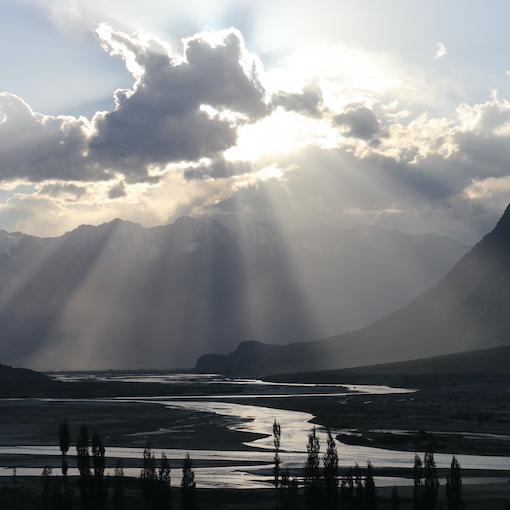
Journey through the awe-inspiring mountains of northern Pakistan right to the Chinese frontier
Rub shoulders with Pathans in the bustling bazaars of Peshawar, then drive through the wild Hindu Kush mountains, exploring ancient Buddhist sites, and head through fertile Swat Valley to reach the unique Kalash Valleys. Follow the ancient trade route through the frontier towns of Chitral and Mastuj, over majestic Shandur Pass, to reach the fabulous kingdom of Hunza, set set amidst incredible mountain peaks, set in the wilds of the Indus Valley. Explore Karimabad’s fantastic medieval forts, the 1000-year old ancient settlement at Ganesh, then head up to Khunjerab Pass and the Chinese border. Descend once more to the thronging tribal bazaars of Gilgit, once an important crossroads on the Old Silk Road, before taking the stunning journey through the Kaghan Valley and over Babusar Pass to the modern capital city of Islamabad.
Pakistan
North West Frontier Province
& Northern Territory
Duration
14 days
Mountain Tour, Tribal Tour,
Wildlife Tour & Culture Tour

Leisurely
INTRO TO NORTHERN HIGHLIGHTS TOUR
Travel across the plains of northern Pakistan for a cultural tour in a private vehicle and then drive up into the Hindu Kush and Karakoram mountains, explore its Buddhist relics, villages and towns, plus the legendry Kingdom of Hunza. Head up to the Chinese border on Khunjerab Pass before returning to the tribal bazaars of Gilgit and driving back through the Kaghan Valley and over Babusar Pass to the modern political capital of Islamabad.
We head across the plains of northern Pakistan to explore the historic bazaars of Rawalpindi and Peshawar, renowned as one of the oldest cities in all Asia, pausing to marvel at the ancient Buddhist archaeological complex at Taxila, before passing through Khyber Gate on the road to Afghanistan, then drive through the wild Hindu Kush mountain range, below the inspiring peak of Tirich Mir, exploring ancient Buddhist sites, including the UNESCO World Heritage archaeological complex of Takht-i-Bahi. Sleep in unique Kalash Kafir tribal villages, whose inhabitants are believed by some to be the descendants of the troops of Alexander the Great, and visit evocative historic frontier forts at Chitral and Mastuj, before climbing up onto the splendid heights of Shandur pass for remarkable views over the mountains. Descend eastwards along the ancient Chitral-Gilgit trade route via the fisherman’s paradise of Phander Lake to reach Gilgit where we barter with local tribesmen in the town’s thronging bazaars.
Drive onwards to reach the kingdom of Hunza and sleep in legendry Karimabad below the incredible peaks of Ultar, Diran and Rakaposhi. Take time to explore its fantastic medieval forts and the 1000-year old settlement of Ganesh, then follow the mighty Indus river upwards, below Passu Cones and through Khunjerab National Park, all the time watching for Karakoram ibex and Marco polo sheep, until reaching the lofty Chinese border right on Khunjerab pass itself. Then, follow the Karakoram Highway southwards again back to Gilgit, once an important crossroads on the Old Silk Road, before taking the stunning journey through the Kaghan Valley and over Babusar Pass to Islamabad.
HIGHLIGHTS
- Meeting a kaleidoscope of tribal merchants in the historic bazaars of Rawalpindi and Peshawar
- Strolling through the ancient Buddhist archaeological complex of Taxila
- Passing through the Khyber Gate on the road to the Afghan frontier
- Climbing up to Takht-i-Bahi, probably the most beautiful of all upstanding Gandharan monasteries
- Driving through the fertile Swat Valley
- Sleeping in the tribal villages of the mysterious Kalash Kafir
- Spellbinding mountain views of Tirich Mir, the tallest mountain in the Hindu Kush
- The atmospheric, historic frontier forts of Chitral and Mastuj
- Driving up and onto the lofty mountain pass at Shandur
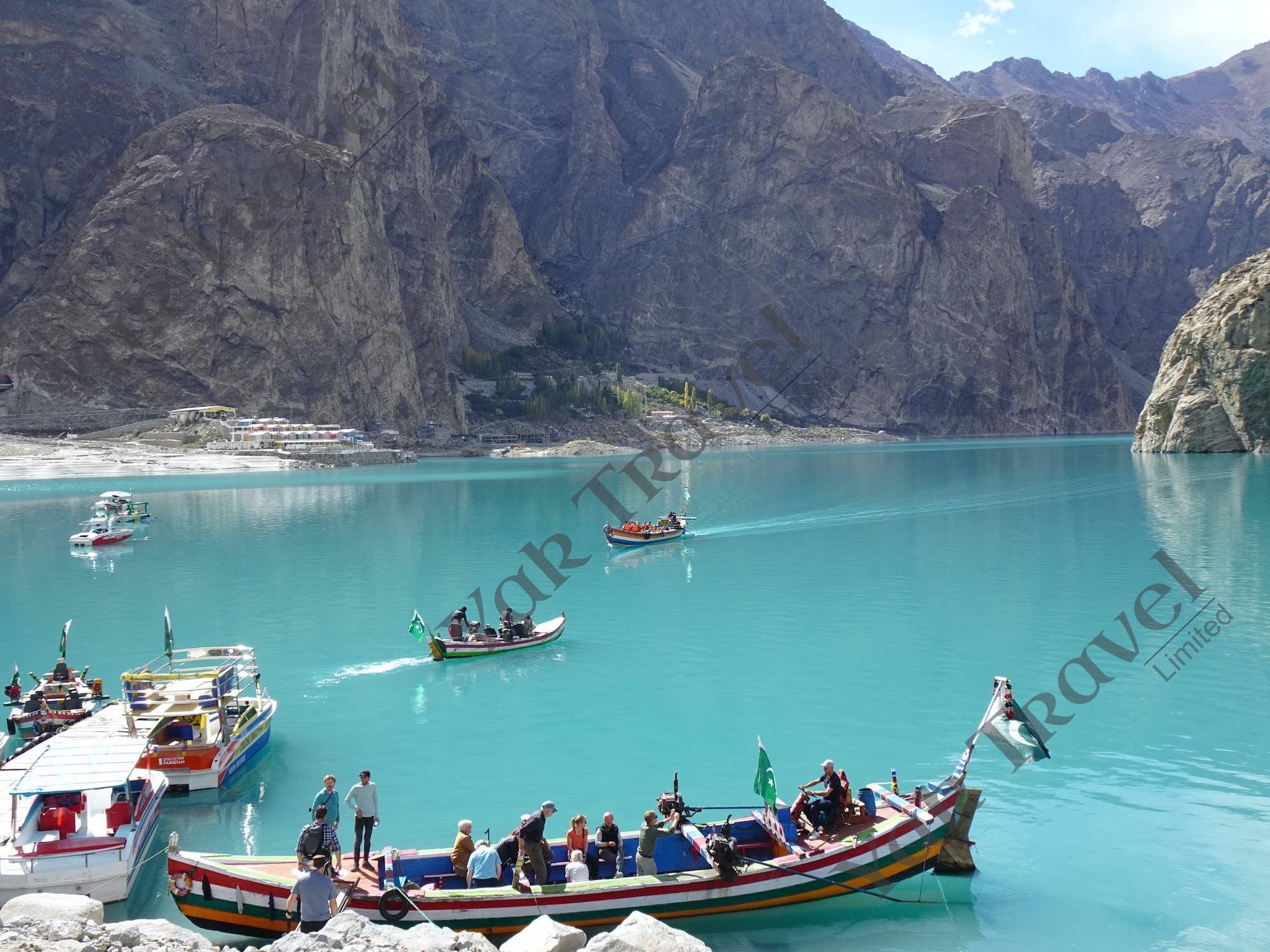
- Admiring the serene Phander Lake
- Pausing at the nineteenth century British-built Gupis Fort
- Rubbing shoulders with tribal merchants in the historic Old Silk Road bazaars of Gilgit
- Spellbinding views all along Hunza Valley including that of Rakaposhi peak
- The unique Tibetan-inspired Baltit and Altit forts
- Marvelling at 1000-year-old alleyways of the old village settlement of Ganesh
- Crossing the Indus over Hussaini Bridge – if you dare!
- The beauty of Passu Cones
- Glimpses of the wildlife in Karakoram National Park
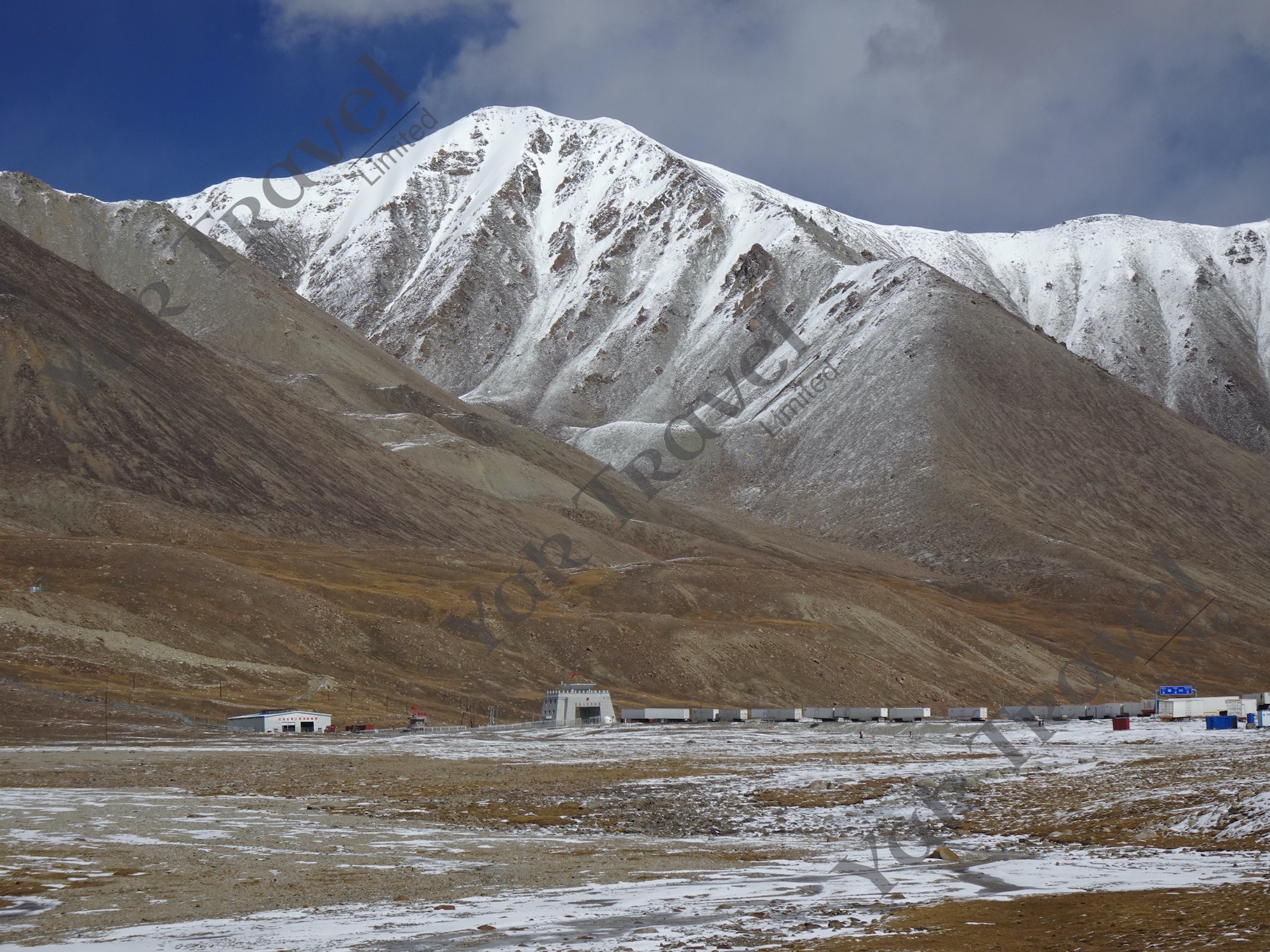
- Driving onto Khunjerab Pass and reaching the international border with China
- Journeying through the Kaghan Valley, over Babusar Pass to reach Islamabad
- Reflecting upon our journey at the iconic Shah Faisal mosque.
PLACES TO BE VISITED
- Islamabad – Rawalpindi –Taxila – Peshawar – Khyber Pass* – Malakand Pass – Takht-i-Bahi – Chitral – Kalash Valleys – Parwak – Mastuj – Shandur Pass – Phander Lake – Gupis – Gilgit – Karimabad – Passu – Sost – Khunjerab Pass – Kaghan Valley – Naran – Babusar Pass – Islamabad
KEY INFORMATION
- We have set departure dates for this group tour. Please see ‘Dates’ section for more information
- This tour can also be organised as a bespoke tour at other times of the year
- Similarly, if this itinerary is not exactly what you have in mind, please do contact us for a discussion as all itineraries can be adapted according to your wishes
- In exceptional circumstances, local conditions may require the route to be altered in your interests at short notice
WHAT’S INCLUDED
- Reception: airport or station reception and transfer upon your arrival in Islamabad & final drop-off at the end of your trek or tour as per the standard itinerary. (For clients arriving earlier and or departing later, special arrangements can be made for accommodation and/or airport transfers if required or requested – additional charges will be calculated for this.)
- Full escort: our treks and tours are fully escorted by an official, local, English-speaking guide
- Accommodation: all accommodation (13 nights)
- Meals: all meals (14 days)
- Transport: all transport with professional drivers throughout your tour. This will either be a private car or an air-conditioned minibus (depending upon the group size) from Islamabad to Khyber Pakhtunkhwa. Once in the more mountainous regions of your tour, you will switch to a private 4×4 Toyota Land Cruiser
- Permits: all restricted area permits as required
- Entrance fees: all entrance fees to sites & parks
- Activity fees: all fees for activities included in your itinerary
- Documentation: provided documents include a personalised itinerary for your tour, a full risk assessment of your route, a bespoke equipment list and facts about the country.
WHAT’S NOT INCLUDED
- International flights
- Travel insurance
- Visas
- Tips
- Soft drinks & items of a personal nature
- Camera fees
DATES
Forthcoming set group tour dates (maximum 8 pax or 3 per 4×4 Land Cruiser):
– Thurs 11th June to Wed 24th June 2026
– Fri 11th June to Thurs 24th June 2027
Bespoke, private tours:
Please talk with us if you would prefer a private, bespoke, tailor made tour for dates of your own choosing.
PRICES
PRICE PER PERSON
SINGLE SUPPLEMENT
£2580
£310
If this itinerary is not exactly what you have in mind, please do contact us for a discussion as all itineraries can be adapted according to your wishes
DAY 1
Arrive at Islamabad
You will be met at Islamabad airport by your driver and guide and immediately transfer to your hotel in Islamabad. Once you have settled into your hotel, you will begin your full day of sightseeing of Islamabad and Rawalpindi.
We will begin in the old city of Rawalpindi with a visit to Raja (King) Bazaar. Amongst others, we pass through the silver and gold bazaars where we will see craftsmen working in traditional, time-honoured fashion.
We then head out from Rawalpindi to Islamabad, the modern capital city of Pakistan, along Murree Road, the main street linking the twin cities.
Quite apart from its inspiring, contemporary architecture, Islamabad is renowned for its open, green spaces: no less than 50% of the city’s 350 square miles is designated as protected park area. We drive up in to the Margalla Hills to Daman-e-Koh (meaning ‘foot hills’) and gain a bird’s eye view right across the city.
Finally, we head back down to Shah Faisal Mosque, named after the late King Faisal I of Saudi Arabia. As the national mosque of Pakistan, it is the best known landmark in Islamabd, the sixth-largest mosque in the world and the largest within South Asia.
Overnight at hotel
DAY 2
Drive from Islamabad to Peshawar via Taxila
After breakfast we leave Islamabad, heading along the historic Old Trunk Road to the remarkable archaeological site of Taxila, just 35 miles away.
Taxila was once the hub of oriental high culture under a succession or rulers and dynasties. Originating from the Satrapy of the Persian Achaemenian Empire in the 6th century BC, it was subjugated by Alexander the Great and the Greeks in 327 BC. Under the Mauryan Emperor Ashoka in the 3rd century BC, the city developed into a major centre of philosophy, art and education, after which the dynamic Gandhara period flourished from 1st century BC until 7th century AD.
In all, there are no fewer than eight sites belonging to different phases of occupation to be explored here, the settlement of Sirkap and Jaulian monastery being amongst the very best-preserved. We also make time to visit Taxila museum.
We continue our road journey to Peshawar, capital of the North West Frontier Province, one of the most ancient and culturally vibrant cities in Central Asia, and strategically situated at the mouth of the Kyber Pass. The story of Peshawar is one of countless invaders, each bringing their own peoples, each adding their own layer of culture, traditions and customs to its complex history. Today, it is predominantly the story of the Pathans which prevails, the daring and fearless race of legend, who now inhabit the city.
We check in to our hotel and in the afternoon begin our exploration of this fabulous historic city.
We begin by passing through the Kabuli Gate, one of the 16 gates which used to surround the city up until the 1950s, and enter the oldest section of Peshawar. We venture through unforgettable Qissa Khawani Bazaar, ‘the street of storytellers’. It has acquired this name because for centuries trading caravans from as far away as Russia and China used to converge here at which point merchants would rest and exchange stories about their adventures.
We move on through the coppersmith’s bazaar which flourished as long ago as the first century BC. Our visit leads us onwards to Mahabat Khan’s mosque, the oldest in Peshawar, built in 1670 by the then Governor of Peshawar during the reign of the Moghul Emperor Shah Jahan. The architect seems to have been emulating the impressive Badshahi Mosque of Lahore, constructing six small minarets in between two huge minarets, each towering 110 feet into the air.
We visit Sethi House Museum, built by the Sethi family, a Hindu trader family from Punjab, who migrated from Jhelum to Peshawar in the early 19th century. The beautiful house is designed in a Bukhara (Central Asian) architectural style.
Finally, we head beneath the ramparts of the monumental Balar Hisar Fort, originally built between 1526 and 1530 by Babar, the first of the Moghul emperors, then rebuilt by Hari Singh Nalva, under the guidance of French engineers, in 1830.
Overnight at hotel.
4 hours driving
Drive from Peshawar to Landi Kotal*, Khyber Pass* and return to Peshawar
*Currently it is unfortunately not possible to visit Landi Kotal and Khyber Pass for security reasons. Therefore, until circumstances change, we will for now only travel as far as Khyber Gate (Bab-i-Khyber) and then visit the smuggling markets on Jamrud Road on our return to Peshawar.
We begin our day with a visit to the Museum of Peshawar where we enjoy its rich collection of treasures particularly belonging to the region’s Ghandara period.
Khyber Pass has taken on an almost legendary status being the narrow gateway through which almost every invader of Pakistan from the west has needed to pass since time immemorial. Although we are unable to visit the pass itself at the moment, the pass effectively begins 15 miles west of Peshawar at the Bab-i-Khyber watchtower, which we are able to visit. Serving as a gateway to the pass itself, it is considered to be the most famous post-independence structure in Khyber Agency. Overlooking the gate, stands the imposing structure of the nineteenth century Jamrud Fort.
On our return to Peshawar, we stop at the smugglers’ markets on Jamrud Road, infamous for selling goods smuggled into Pakistan from Afghanistan over the Khyber Pass, thereby avoiding paying taxes.
We return to our hotel after which you are free to enjoy the afternoon at your leisure.
Overnight at hotel.
3 hours driving
Drive from Peshawar to Chitral via Takht-i-Bahi and Malakand Pass
Today we make an early start in our vehicles on the long journey for Chitral.
First, we visit the UNESCO World Heritage Site of Takht-i-Bahi. Beautifully situated on a hill top overlooking the plains, this remarkably well-preserved Indo-Parthian ancient Buddhist monastery, is considered to be among the most impressive Buddhist remains in all Gandhara. Founded in 1st century BC, it remained in constant use until 7th century AD.
We head on, climbing over Malakand Pass (1362m), before continuing on our way northwards once again, following Chitral Valley to Chitral
8 hours driving
Drive from Chitral to Rumbur via Bumburet
We spend the morning on a walking tour of Chitral, exploring the streets and alleyways of this small, bustling mountain town. Merchants from as far afield as the Punjab and Afghanistan peddle an eclectic selection of merchandise, from semi-precious stones to locally woven cloth and from famous Chitrali caps to old military medals.
Next, we visit the Shahi Mosque, built by the ruling mehtars (kings) of Chitral, located right on the banks of the Mastuj river. Beyond the mosque, to the north, snow-covered Tirich Mir (7708m), the highest peak in the Hindu Kush range, rears majestically above the whole valley.
Close by is Chitral Fort, now a private residence, which is perhaps best known for its role in the Siege of Chitral of 1895. The British army, besieged within following a local uprising, were only eventually saved by the desperate arrival of fresh cannons famously brought to their aid by Colonels Kelly and Roberts, General Low and Captain Ross from Gilgit and over Shandur Pass.
In the afternoon, we undertake a drive to the beautiful Bumburet Valley, the largest of the three Kalash valleys and the first of two that we will visit today.
The exact origin of the Kalash people is lost in antiquity. Some believe they are the descendants of Alexander the Great’s soldiers left behind when he retreated from Asia. Certainly, the Kalash have inhabited the valleys for at least 1500 years.
Until the end of the last century, there used to exist in the region two distinctive types of Kafirs (Infidels): the Red and the Black. However, following their conquest by the Amir of Afghanistan, the Red Kafirs converted to Islam while the Black (Kalash) Kafirs remained true to their traditional beliefs and customs. Their unique communal rituals remain closely linked to their daily and seasonal life cycles.
Today, the Kalash women wear black gowns of course cloth in summer and hand-spun wool dyed black in winter, with attractive headgear made of woven wool, adorned with cowrie shells and buttons.
Once we have completed our village tour, we leave Bumburet Valley and drive the short 10 miles of rough piste through dramatic river valley scenery to a second picturesque Kalash valley, Rumbur.
Overnight at guest house
3 hours driving
Drive from Rumbur to Parwak
In the morning, we explore Rumbur Valley on foot.
In particular, we will focus upon the hamlets of Balanguru and Kalashgram. We will have the opportunity to visit an ancient Kalash temple, decorated with wooden horses and human figures, and a roofed terrace which provides the venue for colourful dances and singing notably during festival times.
In the afternoon we drive further northwards along the Kunar valley, the traditional route which has been used for centuries by traders operating between Chitral and Gilgit. We pass villages perched on occasional, isolated areas of cultivatable land up on the far side of the valley, high above the river.
We stop at the village of Parwak on the edge of the Kunar river, also known in its upper reaches as the Mastuj river or Chitral river. This amazing river has its source just away to the north below the Broghil Pass, near the Afghani Wakhan Corridor, and flows southwards until joining the Kabul river in eastern Afghanistan.
Overnight at guest house.
5-6 hours driving
Drive from Parwak to Gupis via Mastuj, Shandur Pass and Phander Lake
Today we start by driving further along the Kunar river and reach Mastuj. This remote and beautiful village lies 75 miles to the north-east of Chitral close to the confluence of the Yarkhun and Mastuj rivers.
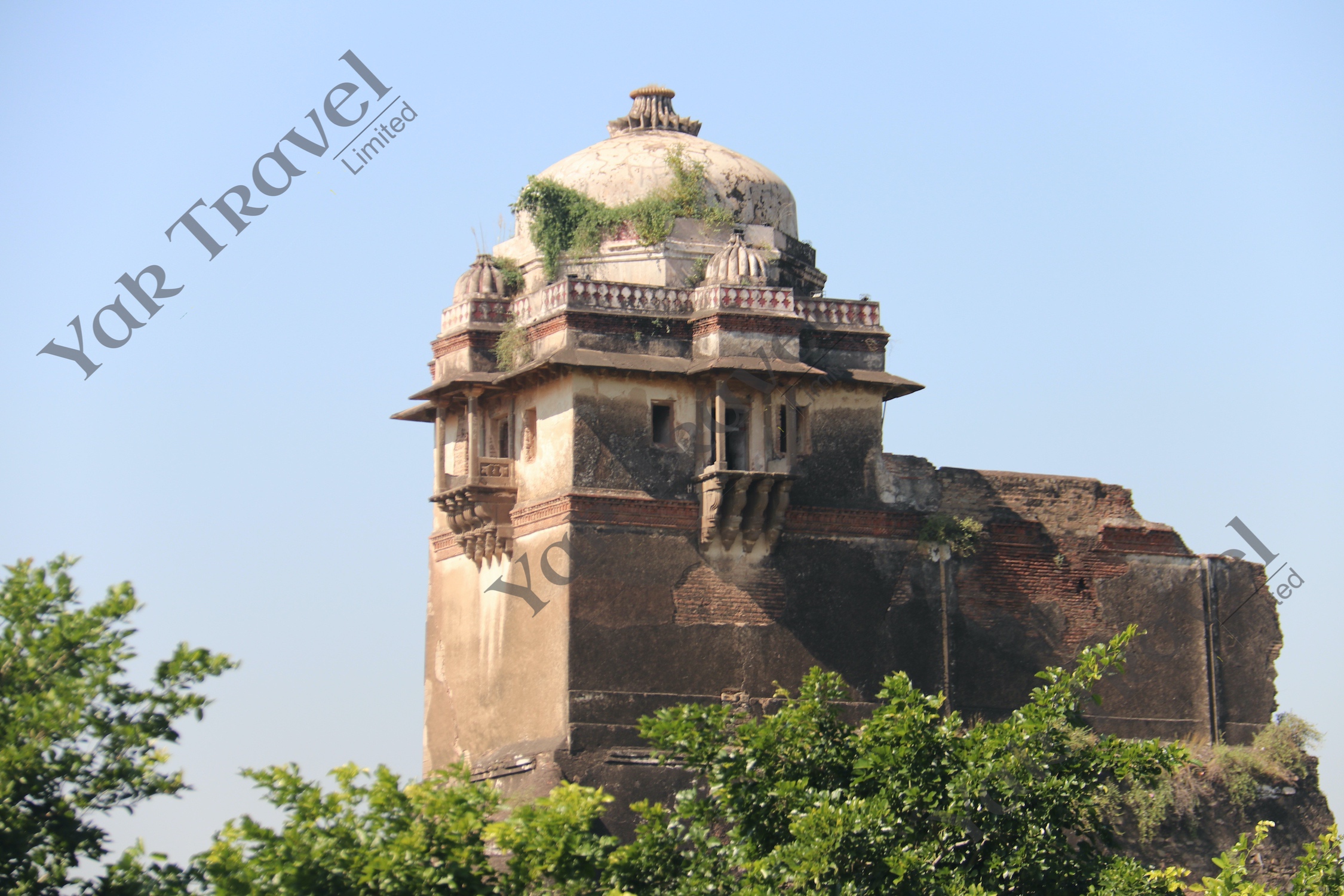
We pause to visit Mastuj fort, believed to have been built at the time of the Katoor Dynasty, which ruled over Chitral and its neighbours in the eastern Hindu Kush region for over 450 years from around 1570 until 1947. The fort was probably originally built around 1780 although it has been subject to later rebuilding.
From Mastuj, the jeep track at once cuts back on itself before veering steeply upwards, zigzagging further into the stark mountains, all the while still following the historic trading route between Chitral and Gilgit.
Finally, the track arrives at Shandur Pass (3720m), a vast plateau filled with alpine flowers, with perfect high-level grazing ground used by local pastoral farmers for their yaks. Two delightful lakes lie alongside.
Today the pass is perhaps most famous for the fiercely competed polo match played here annually between the horsemen of Chitral and Gilgit. However, it is also famous for being the pass over which Colonel Kelly fought his way from Gilgit in 1895 on his way to relieve British troops besieged in Chitral fort.
We descend on the far side of the pass, soon pausing again at the serene Phander Lake. Known also as ‘Anglers’ Paradise, its waters are laden with trout, so fully justifying its colloquial name. We continue past the lake, now following the Gilgit river to reach Gupis.
Gupis was once a kingdom in its own right. Here we take time to admire its late nineteenth century fort, built by the British to defend India against the perceived threat of the Tsar of Russia. We sleep the night at Gupis.
Overnight at hotel
6 hours driving
Drive from Gupis to Karimabad
After breakfast we leave Gupis and continue eastwards along the main Gilgit river valley.
We then climb up from the valley floor to follow the old Gilgit road along the valley side and find the Kargah Buddha. This huge, imposing image of the Buddha, dating from the 7th century AD, is carved into a sheer rock face, still high above us.
We descend into Gilgit where we pause for lunch before joining the Karakorum Highway and then drive northwards again, rounding magnificent Rakaposhi (7788m), to reach Karimabad.
In the evening, we take a stroll through the bazaar of Karimabad, stretched out all along its lanes snaking steeply uphill to Baltit Fort, and enjoy the richness of the local arts and crafts on display here.
Overnight at hotel.
5-6 hours driving
Drive from Karimabad to Passu
Today we enjoy a full day exploring Karimabad before driving to Passu.
We begin by visiting Baltit Fort, the most significant landmark in the region. Formerly the palace of the mirs of Hunza, its architecture reflects the strong links with Tibet at this time. Now about 700 years old, the fort remained continually inhabited until as recently as about 1960.
Baltit Fort stands magnificently upon an artificially flattened spur just below Ultar Glacier, while Ultar Peak, rising majestically directly behind it, provides a most wonderful and dramatic backdrop. From this position, strategically located with such a commanding view of the Hunza Valley, the mirs of Hunza were in perfect position to control the seasonal trans-Karakorum trade between South and Central Asia.
Next, we visit Altit Fort, itself a spectacularly situated on a cliff edge overlooking the Hunza river valley. Although its primary function was initially defensive, it also served as the seat of power of the Mir of Hunza and dates back about 900 years.
We then drop lower down the valley side towards the valley floor to find the 1000-year old village of Ganesh. Believed to be the oldest settlement in Hunza, we can still see its formidable ancient watchtowers and visit its richly carved traditional mosques.
We then drive along the Karakoram Highway to Passu where we sleep for the night.
Overnight at hotel
2 hours driving
DAY 10
Drive from Passu to Khunjerab Pass and return to Passu
Today we enjoy a full day excursion to Khunjerab Pass (4790m), the highest point on the Karakoram Highway and the actual border crossing with China.
We begin by driving from Passu, first driving below Passu Cones and then past the beautiful Batura Glacier. Soon, we arrive at Sost, the Pakistani customs and immigration post.
Still we continue northwards, actually following the Old Silk Road, on a memorable journey, through Khunjerab National Park, towards the highest metalled road border crossing in the world. The higher we go, the more we should keep our eyes open for sightings of shy wild animals, including the Karakorum Ibex (markhors) and the Marco Polo sheep, as well as roaming yaks, as the landscape becomes ever-more remote and isolated.
At the pass itself, which marks not only the international border with China but also the border between the Pamir and Karakorum mountain ranges, we will be able to look across into China itself and, rather amusingly, you will find an ATM designated as the highest ATM in the world.
We descend back to Passu. In the late afternoon or early evening, depending upon the season, we drive to a good high-level vantage point. From here, we enjoy spectacular views of the celebrated Passu Cones to watch the mountain peaks being naturally illuminated by the shifting light of the setting sun.
After sunset, we return to Passu.
Overnight at hotel
4 hours driving
DAY 11
Drive from Passu to Gilgit
We descend again along the KKH and soon arrive back at the old tribal town of Gilgit. In ancient times it grew as an important bridging town and a crossroads on the Old Silk Road, acting as a natural hub for merchants travelling from as far away as China in the East and the Arabian Sea and Europe in the West.
We visit its bazaar and the old British cemetery in which the nineteenth century British explorer, George Hayward, is buried. If we are lucky, we might see a polo match at the Gilgit polo stadium while we are in town.
Whatever our motive for visiting Gilgit, the journey here, through a landscape which at times is quite desolate, along vertiginous valleys lined by lofty peaks and cascading waterfalls, is altogether unforgettable.
Overnight at hotel
3 hours driving
Drive from Gilgit to Naran
We leave Gilgit and, once back on the KKH, we continue our drive southwards before leaving this magnificent road for a final time, branching off along the Khagan Valley.
We cross Babusar Pass (4175m) and reach Lulusar Lake. This photogenic, 160km-long valley is set against forested peaks of the lesser Himalayan range and is one of Pakistan’s most popular summer holiday spots.
We then drive on to Naran, beautifully located at the point where the valley widens and the river quietens. It is an excellent location for fishing. Attractively surrounded by stone and boulder fields, Naran offers good views further down valley while picturesque tree-covered islands lie nearer at hand.
We settle down for the night in Naran.
5 to 6 hours driving
Drive from Naran to Islamabad
We complete our journey southwards out of the mountains, enjoying the mountain scenery for a final time, before arriving back on the plains of Pakistan and continuing to Rawalpindi and Islamabad.
Overnight at Islamabad.
6 to 7 hours driving.
Depart from Islamabad airport
Today is a free day up until your transfer back to Islamabad airport in good time for your departure flight.